
Three voices on late-identified autism: on motherhood, school, friendships and self discovery.
- Thriving Young Minds
- Sep 11, 2025
- 7 min read
Names changed. Shared with permission.
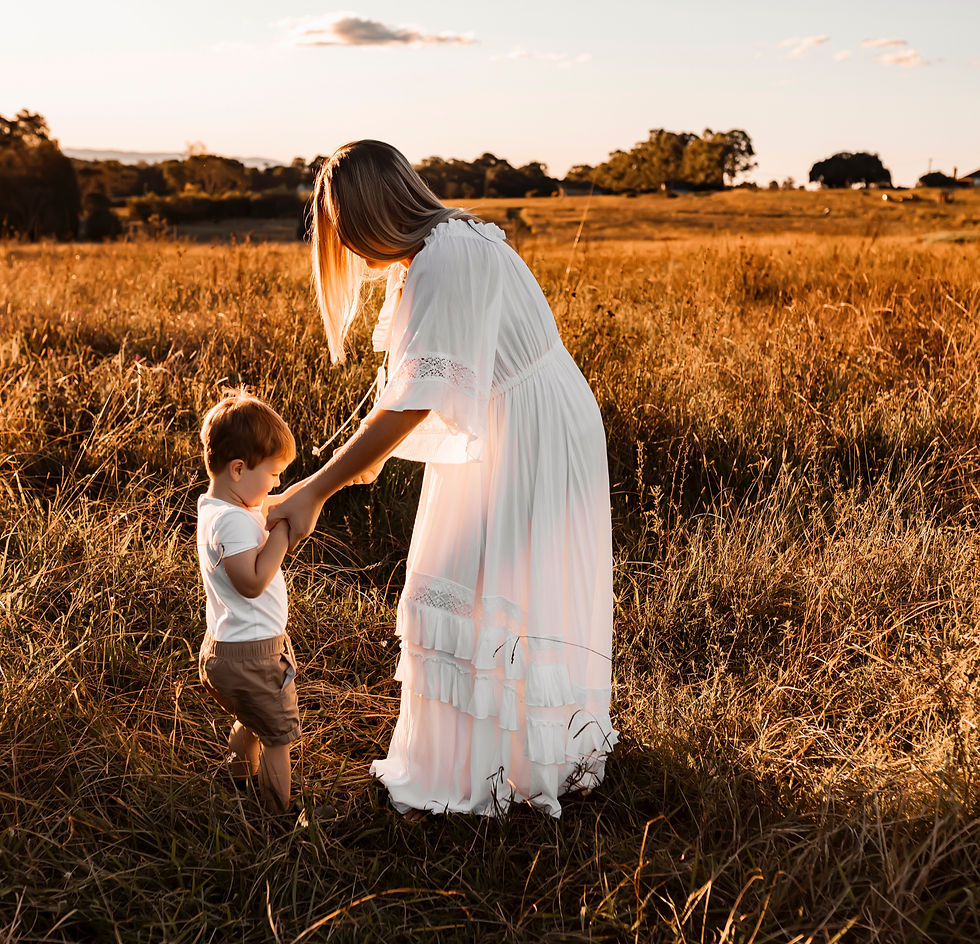
Over the past year I’ve been working with late-identified autistic women who wanted their stories to be heard especially by other adults who question their neurotype, feel something is missing but aren’t sure where to start.
One of the stories is particularly personal, my sister, who attributed (and had other therapists attribute) her distress and challenges to anxiety, trauma, and postpartum.
Working with these women, supporting them to relearn their narrative through a compassionate lens, we see the same pattern: women and mothers under-recognised for years, adapting to different roles and going under the radar, masking differences, and being mislabelled as “just anxious”. With their permission, I’m sharing three distinct voices. Their experiences are not identical and that’s the point. Autism is a pattern, not a stereotype.
This is not just for women, however, in the role of mother they are often in the therapy room with their child, and this ignited their own journey of self discovery.
Naomi — friendships were a maze with rules no one taught me
I was shy and unsure of myself, and other kids seemed to spot it. I didn’t understand social rules or cues and I was easy to convince. Bullying and being a target for pranks became a pattern. My parents moved me from one school to another but the same things kept happening. I couldn't understand what I was doing wrong or why I stood out. I felt different but I guess other kids could see that aswell.
I edited myself as I spoke and left conversations replaying them in my head. I could be my real self with a safe person. With most people I gave the rehearsed version. When friendships fizzled I turned the questions on myself. Maybe I didn’t try hard enough. Maybe I showed interest the wrong way. Maybe I just wasn’t enough. I’m still learning that difference can be visible to others before it has words, and that sometimes people are simply too stretched to keep a friendship going.
Motherhood made masking harder. There’s only so much energy and I want deeper connections, not small talk. After my diagnosis I told a few people. Some were curious and kind. Others leaned on old ideas about autism and asked how I could possibly be autistic. Someone said "as if you didn't already know that", and I ruminated on that for days, wondering if my mask had been see-through all along. I also understand my communication better now. I need context and time to respond. If an answer is demanded on the spot my brain stalls. Give me a moment and I am clear.
Grace — school never felt like it was built for me
I kept waiting for a switch to flick on in my brain. The teacher would hand out the worksheet and the words wouldn’t land. I watched the person next to me and followed their steps because putting my hand up felt like exposing something I couldn’t fix. School didn’t seem made for how I learned. When I struggled, I was corrected or laughed at, and I started to believe I was stupid and worthless. I hated being me and wondered what was wrong with me.
Homework nights were the worst. Assignments sat like heavy stones until the last minute. Asking my parents for help ended with frustration and tears, theirs and mine. It felt like I could never win, like I was being held back by my own brain.
Art and design were the exception. Give me pencils and ideas and I felt steady. At school, it didn’t count for much, so I learned that my strengths and what calmed me wasn’t considered important. Outside of the art room I looked like a daydreamer.
Megan — motherhood turned the volume up on everything
When I found out I was having a baby I was over the moon and terrified of getting it right. After my son was born I lived on high alert. Every cry and squeak felt urgent. Sleep deprivation wrapped my brain in fog. With my second baby there was nowhere for the cracks to hide. I was always chasing my tail, pulled in all directions, and I hated that I hadn’t mastered the juggle the way other mums seemed to.
So I built scaffolding. I stick to routines. I write things on a whiteboard so they don’t disappear. I keep the house as tidy as my energy allows because clutter scrambles my thinking. At the end of a long day I retreat to my room to recharge before the evening shift. For a long time I thought this was just new-mum life. Now I can see how much of it was autistic overwhelm.
It shows up in small ways all day. I misplace things I’ve just put down. If too many tasks are open at once I freeze, pick one and the others vanish, and then I’m upset I didn’t juggle faster. Noise stacks until I feel flustered. I overthink conversations, withdraw and feel guilty. I’m on high alert about potential dangers with the kids. Mess overwhelms me. When I can’t solve a problem quickly I beat myself up. Naming what’s happening hasn’t made parenting easy but it helps me to make sense of it in real time rather than beating myself up and getting into a negative spiral.
Grace — the inner world that always made sense
As a child I didn’t have words for my feelings but paper and colour did the talking. My imagination felt vivid and present. I could stare at the sky and watch the clouds shift into other things for hours. People thought I was zoned out. I was actually very tuned in. I also read rooms and people quickly; I felt it in my gut before I could explain it. I have been sensitive in that way. I assumed it was anxiety.
I felt things deeply—so deeply that even my toys needed gentleness. At night before going to bed, I propped my bears facing up so they could breathe. Guilt is the hardest emotion to wrestle with, it can never be satisfied. Having one child; guilt would say 'He'll be lonely without a sibling'. Four years later, with the arrival of a baby brother, guilt says 'you're relationship is different now and your firstborn feels disconnected'.
The stages of relief and grief in a diagnosis
Naomi
Receiving my diagnosis brought relief first. There was finally a name for what felt different. Then I had to unlearn the old picture of autism I’d been shown. I don’t match that picture, but I am autistic. I’m learning how I communicate and why shutdowns arrive when too much is open at once. I’m still careful about who I tell. I choose people who respond with curiosity and care. I don’t owe my story to everyone and the imposter syndrome in my own mind is enough that I can't convince other people all the time of how I am autistic.
Megan:
A late diagnosis brought a quiet kind of grief. I looked back and wondered how childhood might have felt if the adults around me had adjusted the environment instead of telling me to try harder, fit in or stop doing things so people would like me. It felt like nothing was ever good enough. I left school and started a hairdressing apprenticeship and felt proud, but challenges kept following me and disappointment seemed to find me anyway.
I spent years scripting for social events, monitoring my face and words, hoping no one would see the real me because I believed the real me wouldn’t be accepted. No wonder social events drained me and alone time afterwards was essential. I never considered that I was autistic. As a kid I kept diaries and wrote the same wish over and over, to be happy and liked. I still feel things deeply and I’m learning not to hold it all in silence.
Now that I am a mother I make different choices. If my child struggles I don’t say try harder. I look for supports. I change the environment. I believe him. I didn’t get that growing up and I don’t want the same for my kids. I see the neurodivergent traits in him and give him the affirming language I didn't have.
Grace
My experiences at school and treatment in friendships and relationships made me develop a low sense of self. I truely believed I was stupid, worthless, a nobody. I hated being me and wished I could be someone else. I have always wondered my whole life ‘what is wrong with me?’”
After my diagnosis I am learning to stop asking what is wrong with me and started asking 'what do I need'. None of that makes me stupid. It makes me autistic, and it means I deserve supports that fit.
I am practising different language with myself. I wasn’t lazy with schoolwork, I was unsure where to start. I wasn’t overly sensitive, I was receiving more input than I could filter. I wasn’t a people pleaser by nature, I was trying to feel safe and included.
I haven’t changed who I am. I’ve changed how I speak to myself. I adjust the environment before I judge my effort. I schedule the things that regulate me. I ask for the time I need to process. I choose my audience. The question is no longer what is wrong with me. The answer is there was never anything wrong, and now I have the words to care for the person I’ve always been.
If any of this sounds like you
You don’t have to relate to all three of us. Your story may bend in a different direction. What helps:
Adjust the environment before judging yourself. Reduce inputs, break tasks down, allow longer warm-ups.
Treat routines, lists, whiteboards and tidy zones as accessibility tools, not quirks.
Protect time for the interests that steady you. They regulate your nervous system and bring joy.
Choose your audience. Share your diagnosis with people who meet it with care.
Work with a neuroaffirming clinician who understands masking, autistic burnout and how autism can look in women.
If you’re exploring a late diagnosis or you want language for what you’ve been living you’re welcome to reach out. At Thriving Young Minds we work with adults as well as children and families. We move at your pace and focus on supports that fit the life you actually live.


Comments